Nélie Jacquemart-André: From Artist to Collector
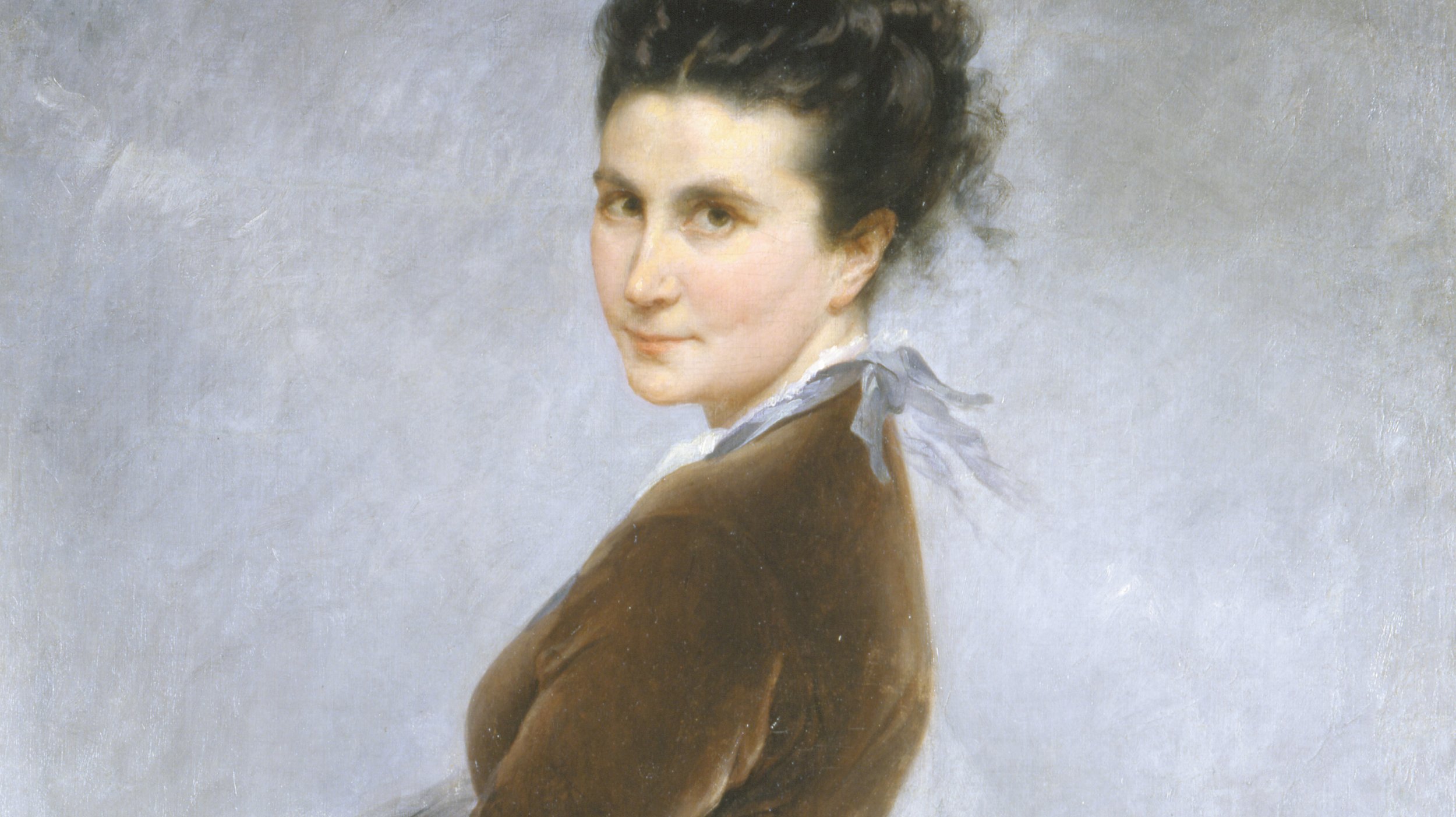
Nélie Jacquemart, Self-Portrait (detail), 1880. Musée Jacquemart-André.
Written by Laura Waelbroeck
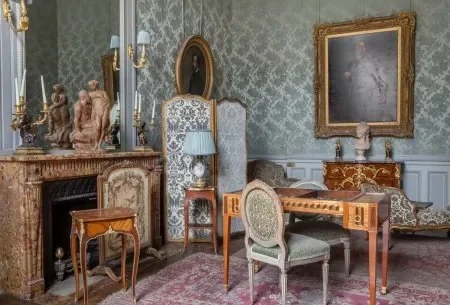
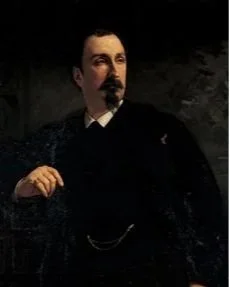
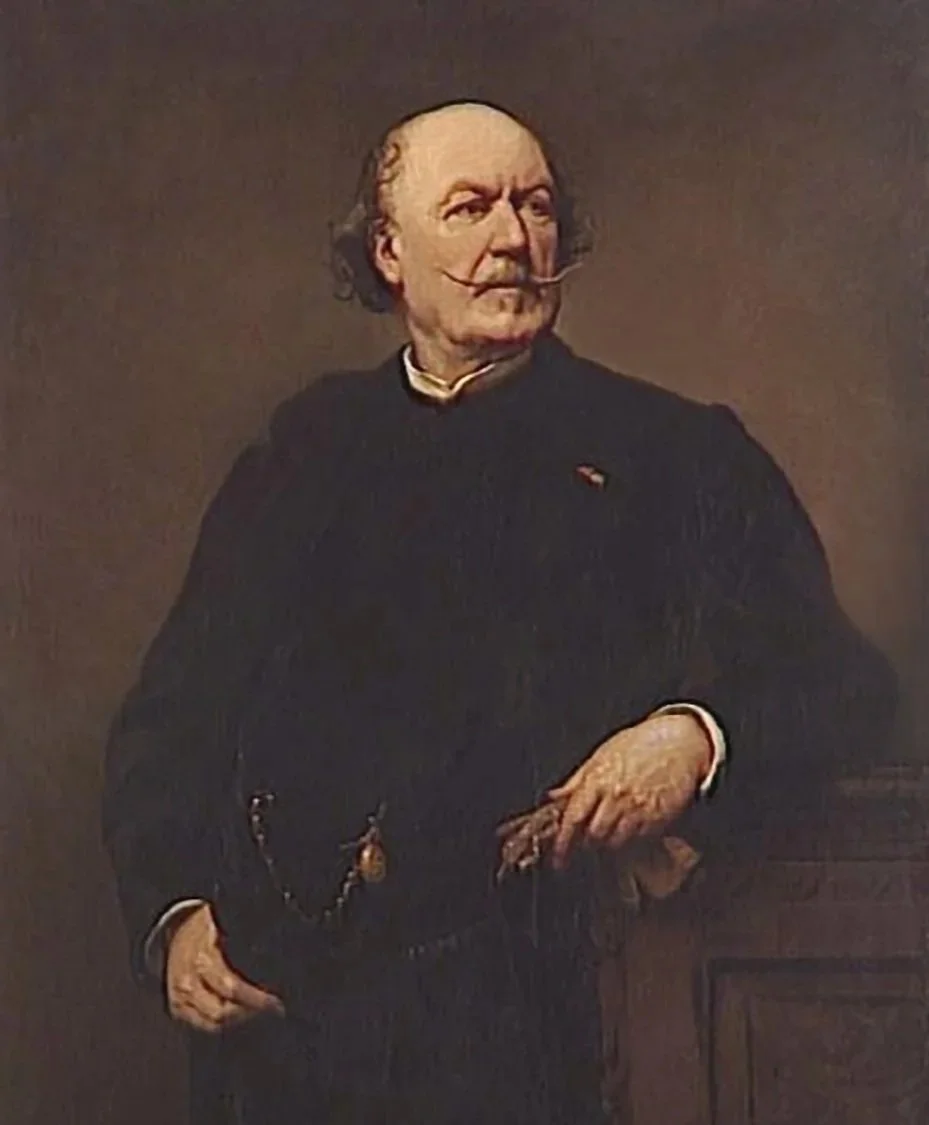
In the private apartments of the Musée Jacquemart-André in Paris, visitors may spot a portrait of Baron Édouard André, spouse of the museum’s founder, Nélie Jacquemart (Figs. 1–2). Stately and soberly dressed in black, he looks much like the many turn-of-the-century collectors—from Nissim de Camondo, across the street, to Henry Clay Frick, across the Atlantic—who transformed their houses into museums. More unusual is that the portrait was painted by Nélie Jacquemart herself. Before becoming one of France's great collectors through her marriage into the André banking dynasty and founding two museums, Nélie Jacquemart trained rigorously as a professional artist. She rose from humble origins to build a successful career as a society portraitist who specialized in portraying influential military and political leaders of her day—including her future husband. Her artistic training would uniquely shape her choices as a collector.
Nélie Jacquemart was born in 1841 in Paris, where her father seems to have held a minor bureaucratic post for Baron Alphée Bourdon de Vatry. Her home life was tumultuous. Her father abandoned the family in her early childhood, leaving Nélie’s mother to earn a living as a milliner. Luckily for the young Nélie, however, Rose Pamela Hainguerlot de Vatry, the wife of her father’s employer, took a liking to the girl. A banking heiress and salonnière, Madame de Vatry moved in artistic circles and kept up a lively correspondence with Théophile Gautier and Henri d’Orléans, duc d’Aumale, the prolific art collector.[1] Perhaps recognizing Nélie’s talent, she nurtured her artistic ambitions. The two spent summers at the family’s 12th-century abbey, the Domaine de Chaalis, where Nélie brushed shoulders with artists and critics. A watercolor sketch preserved in Nélie’s collection (Fig. 3) captures the scene: in the library of Chaalis, a portraitist is at work on a likeness of politician Adolphe Thiers, while in the right foreground another artist puts finishing touches on a portrait of Mme de Vatry’s sister-in-law. Dashing in her riding habit, she has brought her horse indoors for the occasion. Easels and painters’ palettes litter the composition; a tea table sits neglected to one side.
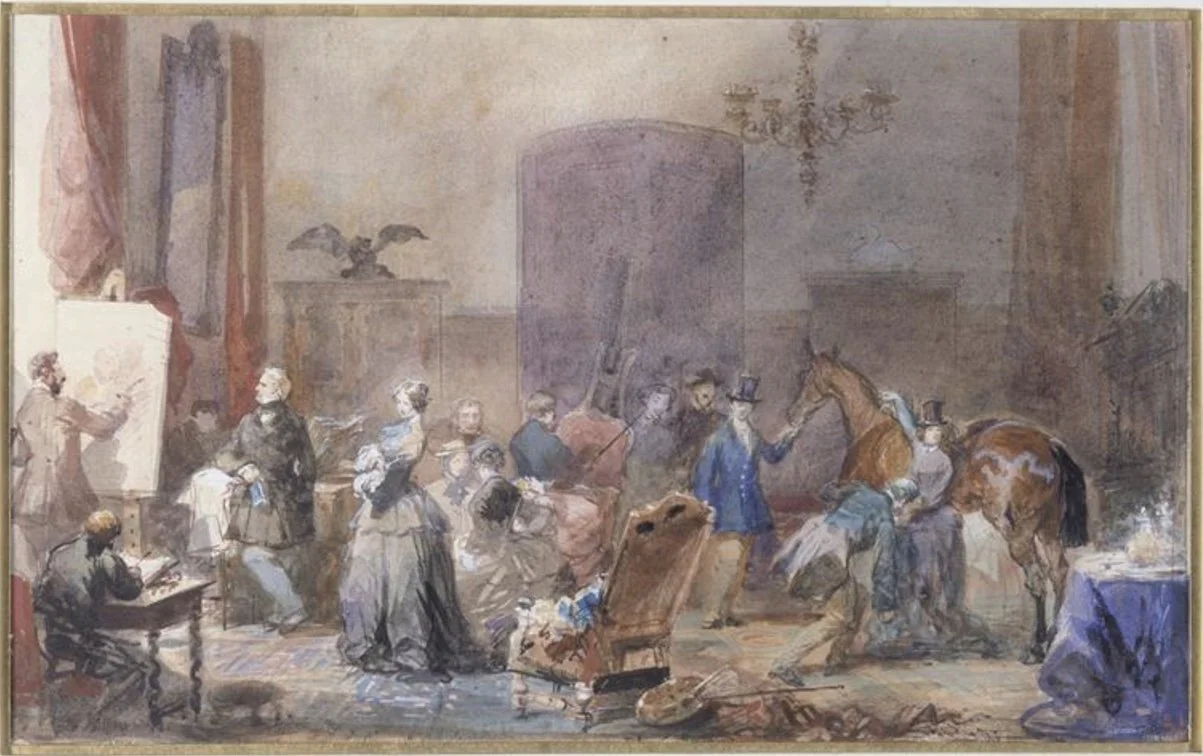
Fig. 3 Eugène Lami, The library at the Domaine de Chaalis, 1890, watercolour (Image: Wikimedia Commons)
By 1858, Nélie was training in the Paris atelier of painter Léon Cogniet. Her career options were limited. Barred from training in the Académie des Beaux-Arts as well as from the career-making Prix de Rome, women aspiring to earn a living as artists could train only in the workshops of select painters. Séverine Sofio has described the period beginning in the mid-18th century in which women artists achieved unprecedented professional breakthroughs as the “parenthèse enchantée.”[2] A generation before, women artists had exhibited paintings in the Salon des Beaux-Arts in record numbers, and artists such as Élisabeth Vigée Le Brun and Anne Vallayer-Coster enjoyed successful careers as painters of portraits and still lifes. By the mid-19th century, however, a backlash had begun. “The serious intrusion of women into art would be a disaster without remedy,” Gustave Moreau declared.[3] Alexandre Dumas the younger, then Nélie’s neighbor, joined the conservative establishment in opposing the admission of women to academic study.[4] A key point of controversy was the universal practice of teaching figure drawing from nude models. Prudish critics called for male models to wear underpants. In Girodet’s atelier, one Mme Robert devised a system of strategically placed wooden “boîtes de modèles” disguised with draperies by which to protect students’ modesty.[5] Their worries are spelled out in Fragonard’s Les débuts du modèle, preserved in Édouard and Nélie’s collection (Figure 4). In it, a half-undressed (female) model is presented by a chaperone to a painter, whose true intentions are revealed by the mahl-stick with which he salaciously lifts the hem of her skirt. In Nélie’s time as in Fragonard’s, the subversive possibilities of the artist’s gaze were a perpetual danger.
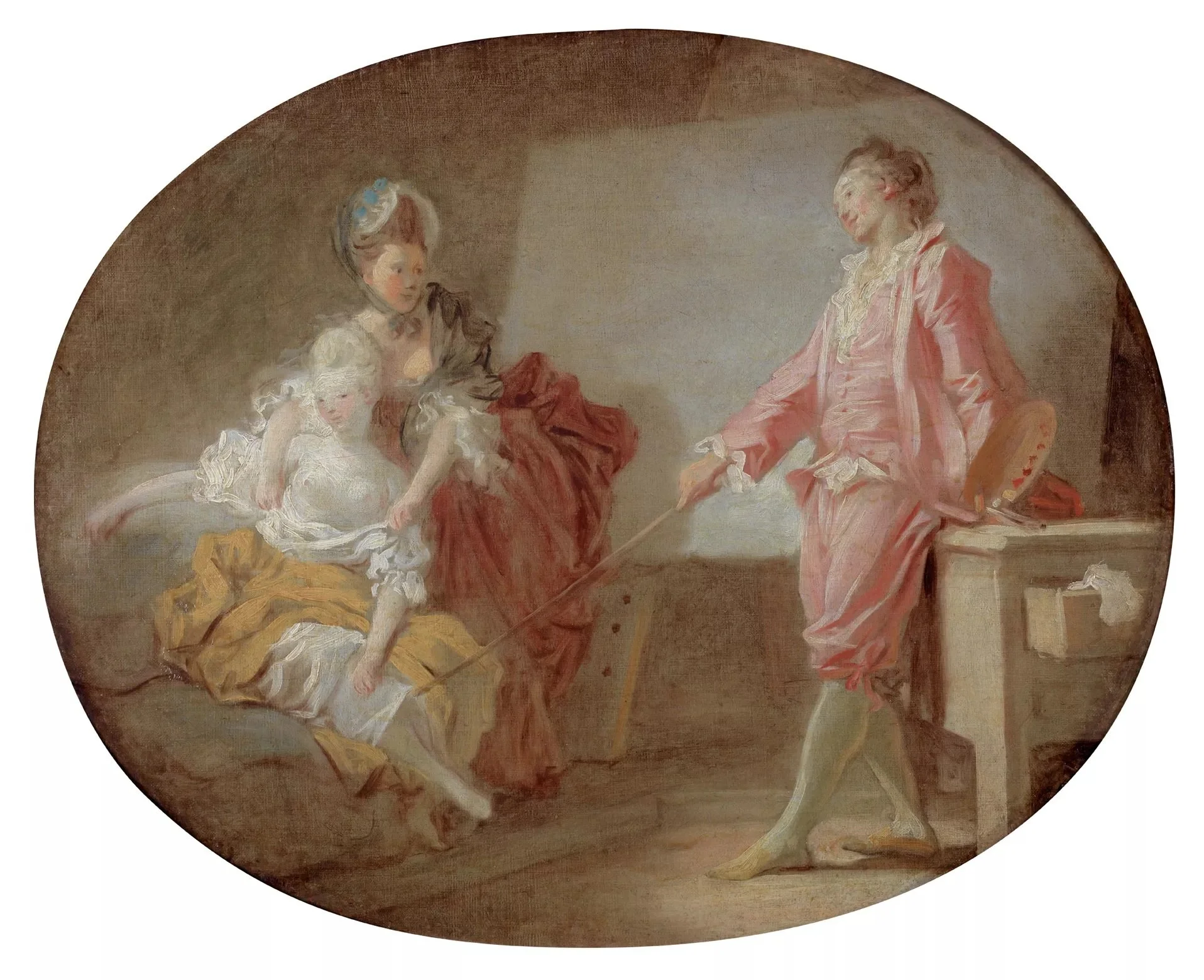
Fig. 4 Jean-Honoré Fragonard, Les débuts du modèle, 1769, oil on canvas (Image: Musée Jacquemart-André)
Despite these impediments, Nélie’s training under Cogniet brought her into close proximity with the elite art world. Her first breakthrough came when, at age sixteen, her sketch depicting the funeral of Malka Kachwar, Queen of Oudh, who had traveled to Britain in an attempt to prevent the annexation of her kingdom by the East India Company, was printed in L’Illustration.[6] In 1863, she exhibited a scene of Molière chez le barbier Gely à Pézenas with two other paintings in the Salon to positive reviews. (It appears that Mme de Vatry periodically petitioned Théophile Gautier to give her protégée a flattering write-up.)[7] Further successes followed. Nélie completed two religious commissions, including a Life of the Virgin for the church of Notre-Dame de Clignancourt. That her earliest subjects were largely historical and religious—the loftiest genres in academic terms —may indicate the scope of her ambitions. In 1867, the painter Ernest Hébert invited Nélie to Rome to study and copy Italian Renaissance art, indispensable training for an academic painter. She was received at the Villa Médicis, headquarters of the Prix de Rome. Even as she made useful connections in the art world, Nélie’s profession posed a constant challenge to her respectability. “[Nélie] is not like everyone else,” warned the mother of one of her friends, “she lacks poise, she is too much an artist.”[8]
It is likely that, as she approached her thirties, portraiture offered Nélie what history painting could not: financial independence. Demand was high. During the Franco-Prussian War and its aftermath, Orléanist, Bonapartist, and Republican factions vied for political influence and new fortunes were swiftly being formed. Always a vital tool of social self-fashioning, portraits had never been more important. Nélie quickly specialized in portraits of professional men. Critics frequently characterized both her ambition and her success in distinctly gendered terms. In 1870, her portrait of the Maréchal Canrobert earned accolades at the Salon (Figure 5). “It is an energetic and solid painting,” remarked Gautier, “of which few men would be capable.”[9] She soon landed a commission to paint the newly elected President of the Republic, Adolphe Thiers. “Decidedly,” an 1872 Salon critic observed, “portraits of men are more inspiring to Mlle André than portraits of women.”[10] A cartoon in Le Charivari poked fun at this predilection (Figure 6). Beneath a dignified male portrait, two top-hatted spectators wonder, “Whose portrait will Mlle Jacquemart do next year?” In 1872, the answer was Édouard André.
![Fig. 6 Louis Leroy, Le Charivari, May 1873 (Image: BNF; repr. in Pierre Curie, Nélie Jacquemart : artiste et collectionneuse de la Belle Époque [Paris: Flammarion, 2023])](https://images.squarespace-cdn.com/content/v1/606ae1caf837c344b6222358/1787914573753-RSEAWE3JLI1SBEFYQ9DO/Fig+06_Leroy%2C+Le+Charivari.jpg)
André’s name would have been familiar to anyone in the art world. The sole heir to two prominent Protestant banking fortunes, Édouard was by most measures one of the wealthiest men in France. After a successful military career under Napoleon III, the overthrow of the Second Empire redirected his ambitions toward the arts. He championed the Union centrale des arts décoratifs and, in 1872, purchased the Gazette des Beaux-Arts with his uncle Maurice Cottier.[11] The completion of his hôtel particulier on the fashionable Boulevard Haussmann, designed by Henri Parent, provided a fitting setting for his first forays into collecting. The portrait of 1872 thus brought Nélie into the orbit of a man whose circumstances could not have been more different from her own. The André family were immensely wealthy, Protestant, and Bonapartist; Nélie, a self-made working artist, was a Catholic with Orléanist ties. Though they seem to have remained friends, Édouard and Nélie did not marry until 1881, when they were both in their forties. Édouard was by then seriously ill (he was known to suffer from syphilis). His family agreed to the match on the condition that Nélie be barred from inheriting the bulk of the André family fortune.[12] Even so, the marriage transformed her social circumstances. The painter’s studio that Édouard had constructed for his new wife went unused. Instead, Nélie found an avenue for her artistic ambitions in the couple’s shared project to found a museum of their own.
Nélie was already a collector, albeit on a modest scale, before her marriage. The inventory of her apartment at the Rue du Mont-Thabor, detailed in her marriage contract, includes a handful of old master paintings, books, Renaissance and 18th-century furniture, Hispano-Moresque faïences, and Etruscan, Egyptian, and Asian antiquities.[13] Her decades of professional and financial autonomy were useful preparation for managing the household and the growing collection. She quickly took over the household accounts, uncovering rife corruption among André’s staff.[14] Ever adept at networking, she threw fabulous parties and seems to have relished her newfound access to her husband’s elite social world. Above all else, she collected. While some of Édouard’s early acquisitions were retained, a large portion, including all of the contemporary paintings, were sold at auction in 1887.[15] As acquisitions accelerated, the former portraitist’s eye was clearly discernible. It was, Florence Gétreau notes, as though Nélie was animated by “the desire to pursue the assembly of a veritable gallery of portraits.”[16]
Nélie was in the right place at the right time. In the 1880s, after a decade of economic upheaval across Europe, masterpieces previously tucked away for centuries in aristocratic collections were coming onto the market. At the same time, a new class of scholar-dealer had begun to supplant the public auctions where Édouard André had made most of his early acquisitions. Where 19th-century auctions were tightly regulated and mainly intended for the liquidation of estates, this network of dealers could nimbly pry loose treasures from the homes of living collectors. Advances in photography permitted dealers to market their wares to an international clientele. Political circumstances also gave Nélie a unique opportunity to pursue her interest in Italian art. Following Italian unification, the various regional restrictions on the export of Italian masterworks were largely superseded.[17] Édouard and Nélie traveled and shopped almost constantly. They became leading clients of a large network of Italian dealers, particularly Stefano Bardini. At the same time, Nélie continued avidly buying 18th-century French painting and decorative arts from Parisian dealers such as Paul Durand-Ruel. She personally handled almost all of the collection’s logistics and correspondence. A savvy businesswoman, she negotiated fiercely on prices and left behind reams of correspondence managing shipping and restoration logistics.
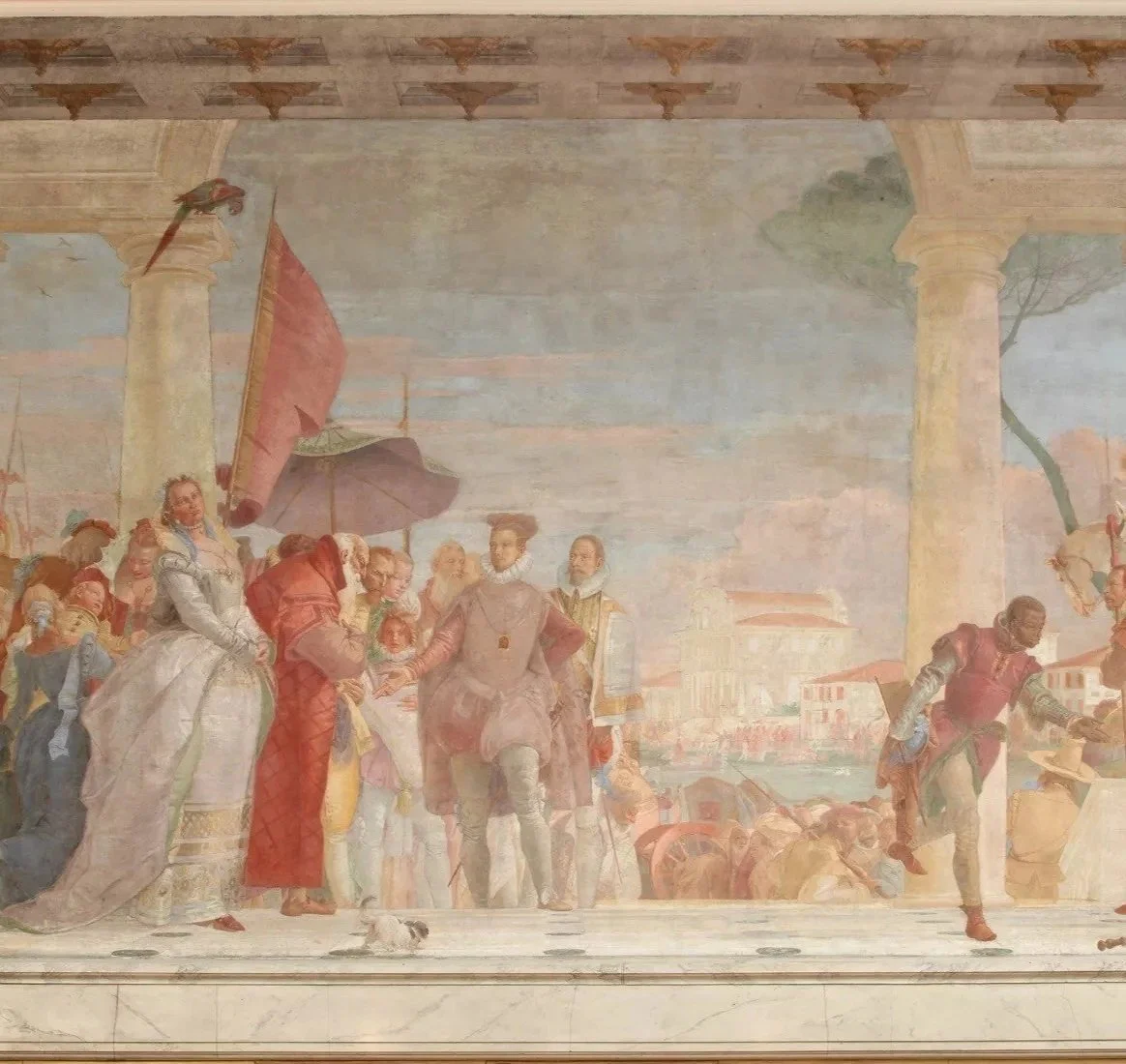
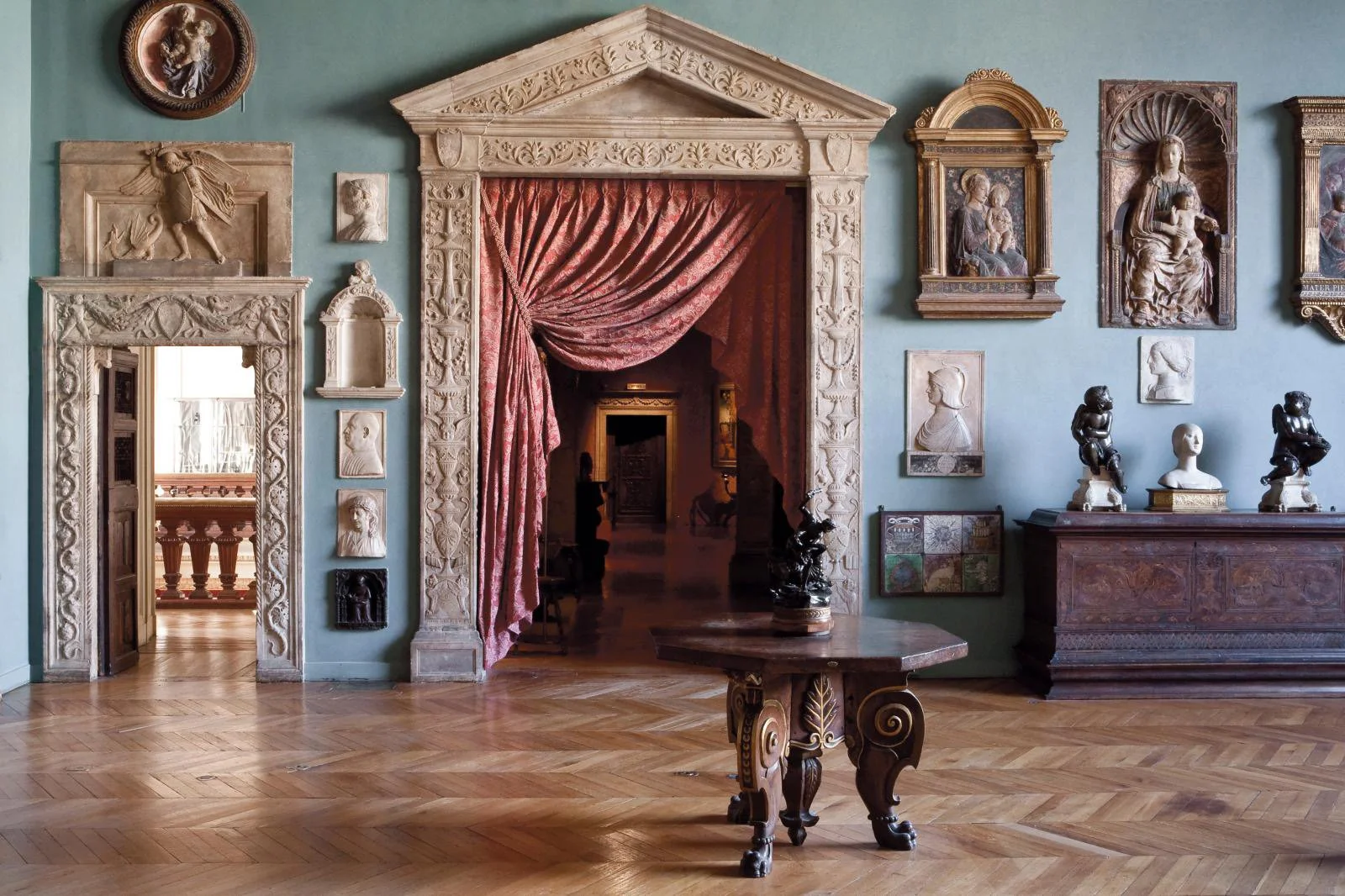
By this time, Édouard and Nélie’s project of transforming their shared home and collection into a museum was well underway. Acquisitions became increasingly monumental and their installation more didactic. Around 1887, they acquired a set of boiseries from the Hôtel de Jacques-Samuel Bernard to frame a carefully chosen pantheon of busts of renowned French artists and architects (Figure 7).[18] They sought out Italian palatial doorframes and architectural elements, which adorned Italian galleries organized by region and medium. Their museum had several precedents, and some competition. In 1884, their friend the duc d’Aumale willed his Château de Chantilly to the Institut de France, creating the Musée Condé. On the other side of the Atlantic, meanwhile, Isabella Stewart Gardner was making use of an almost unlimited budget to assemble a collection of Renaissance masterpieces. Nélie was aware of her American rival, as her correspondence with Bardini reveals. “Tell me about your discoveries,” a letter of 1885 demands, “as I’ll never forgive you for letting others buy the beautiful objects you know we want.”[19] Gardner, for her part, later dispatched Bernard Berenson to the Boulevard Haussmann to report on her Parisian competitor. In 1893, after much bureaucratic maneuvering and at great expense, she secured the removal from Italy of Tiepolo’s fresco depicting The Arrival of Henry III at the Villa Contarini (Figure 8). It was installed above a double spiral staircase that connected the winter garden to the rooms that formed Nélie’s “Italian Museum.”[20]
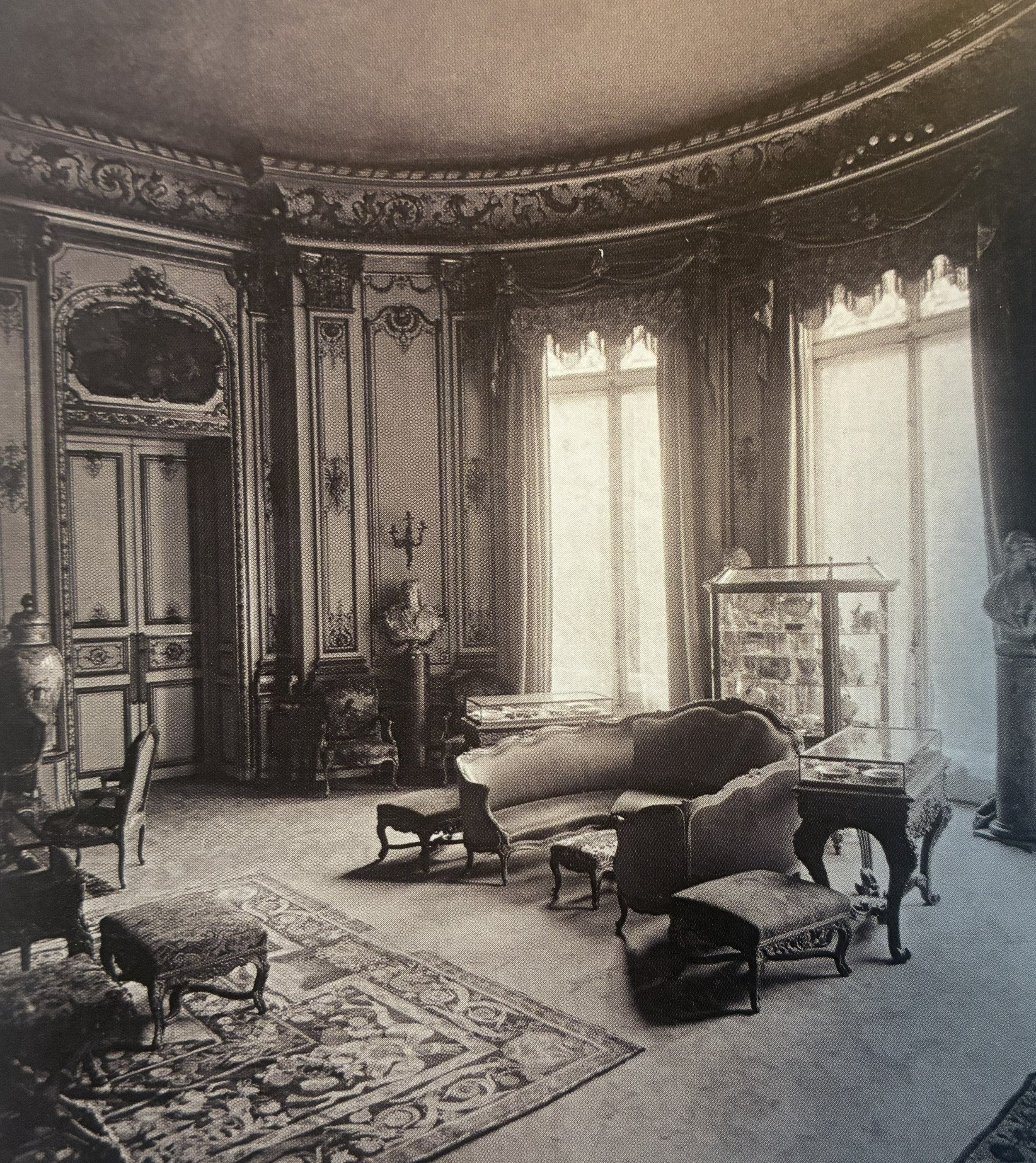
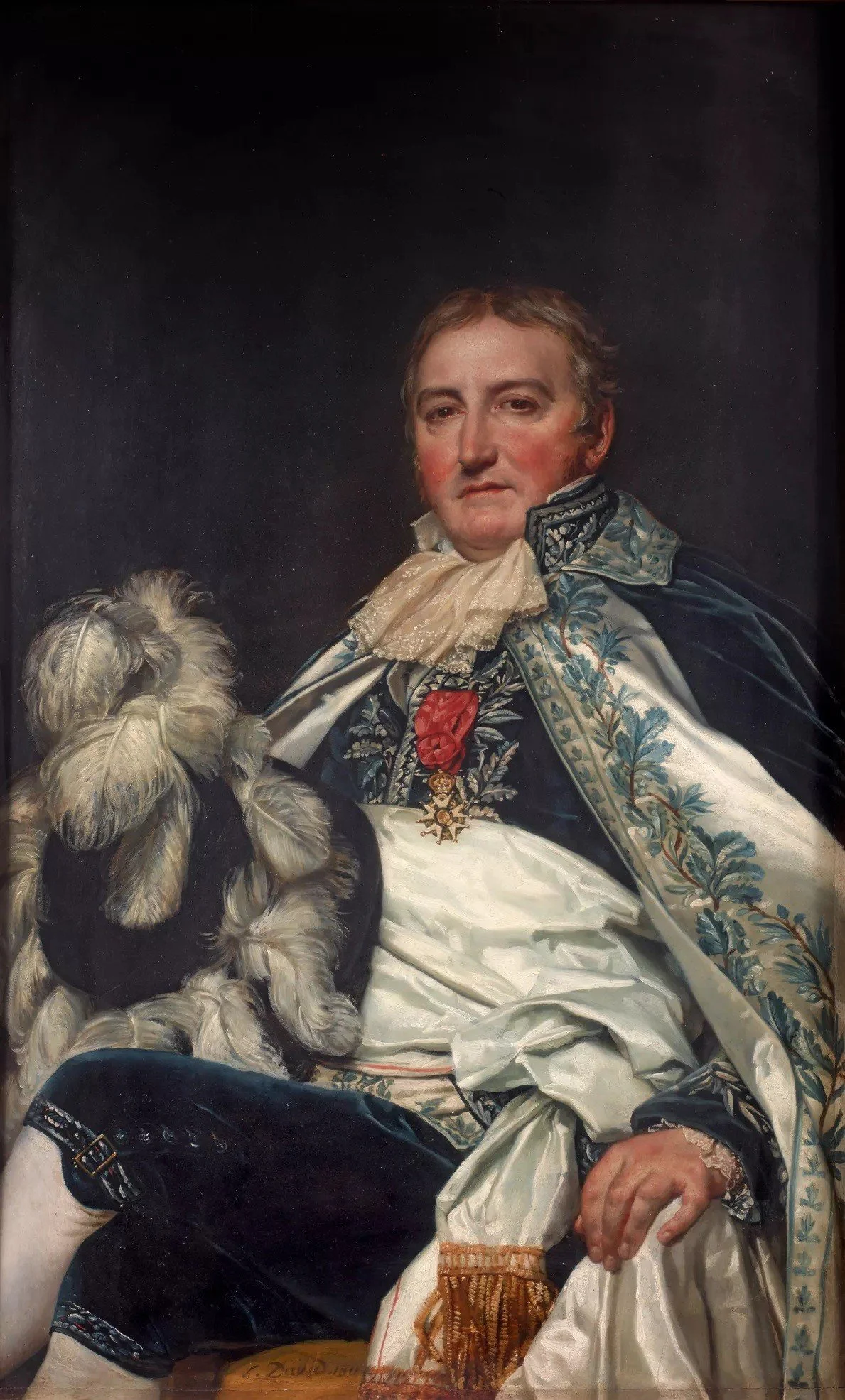
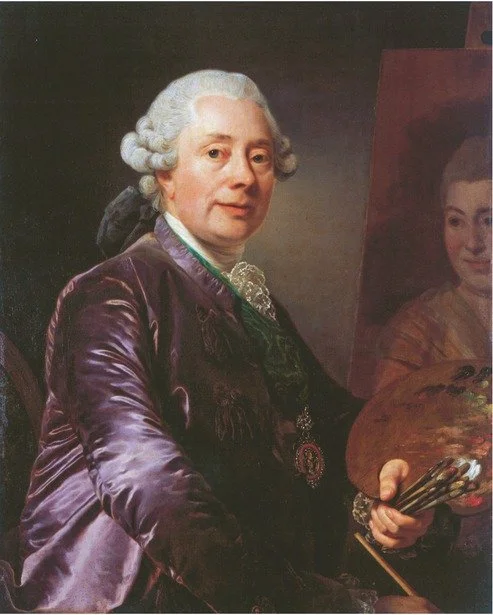
The few visitors she admitted to these rooms during her lifetime marveled at the treasures she had assembled. Mounting this staircase, they entered an enfilade of galleries filled with works by Uccello, Botticelli, Mantegna, Bellini, and Donatello (Figure 9). Elsewhere in the house, Nélie had assembled one of the greatest collections of 18th-century portraiture in private hands. In 1892, Nélie purchased Jacques-Louis David’s Portrait of the Comte Antoine Français de Nantes (Figure 10). She owned no less than four portraits attributed in her lifetime to Élisabeth Vigée Le Brun (though two have since been given other attributions).[21] Unlike many collectors of the period, Nélie appears to have prioritized the artist over the pedigree of the sitter. The collection includes several self-portraits of artists. In his self-portrait of 1780 (Figure 11), the Swedish portraitist Alexander Roslin fashions himself as a gentleman, the insignia of the chivalric Order of Vasa placed just beside the painter’s palette in his left hand. In a detail that may have appealed to Nélie, Roslin is at work on a portrait of his spouse, the painter Marie-Suzanne Giroust.[22]
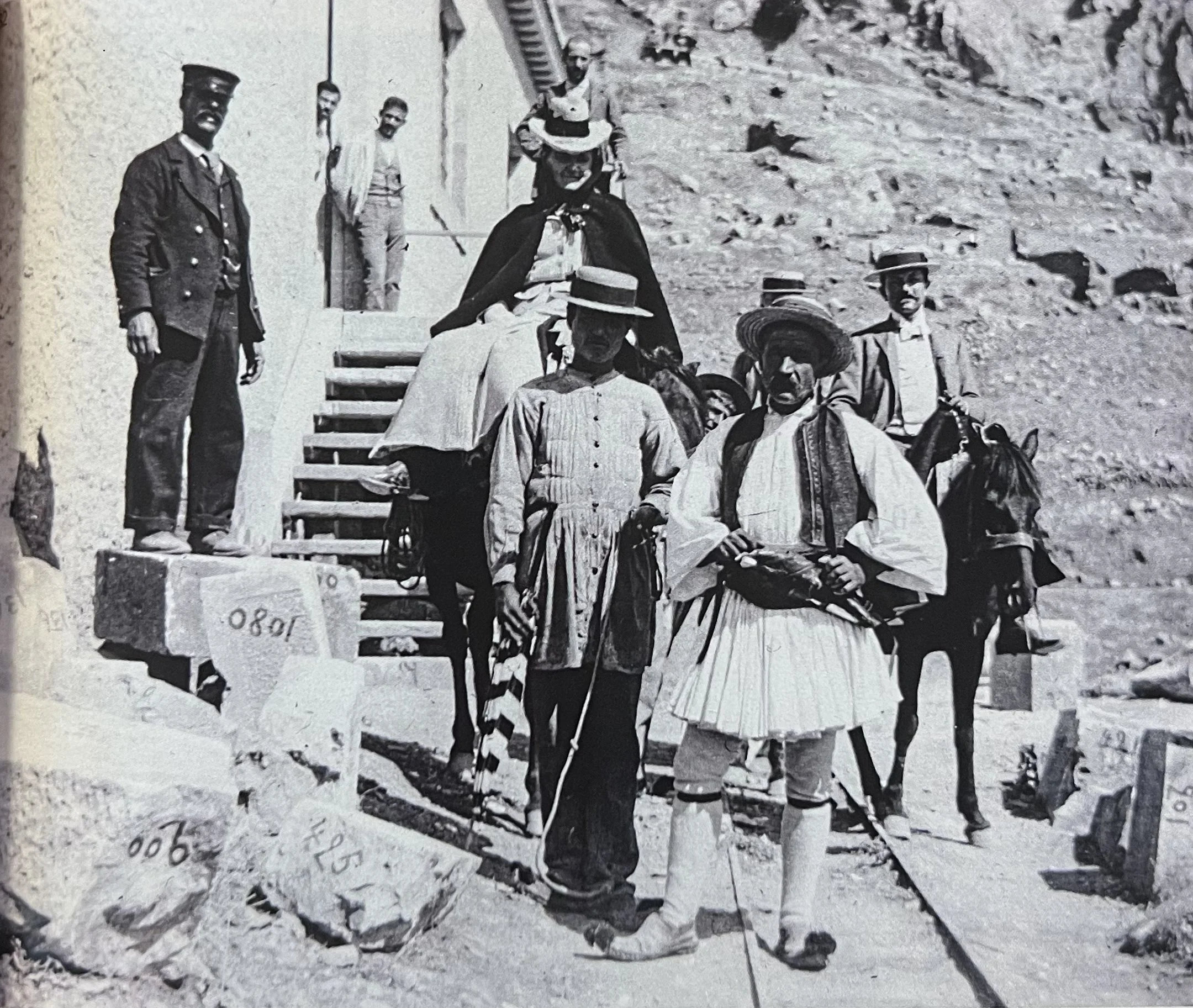
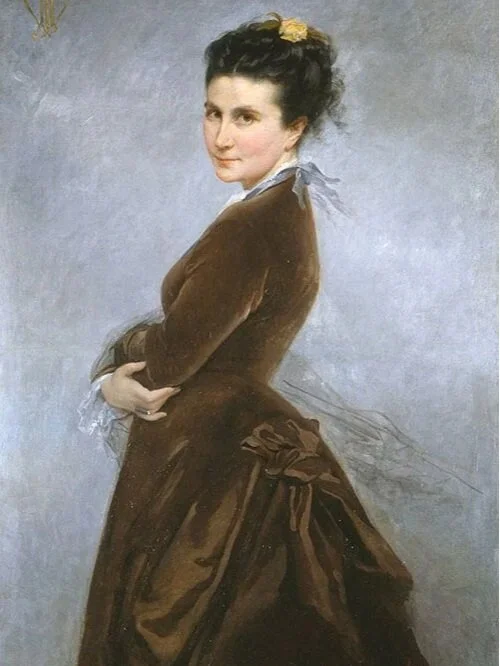
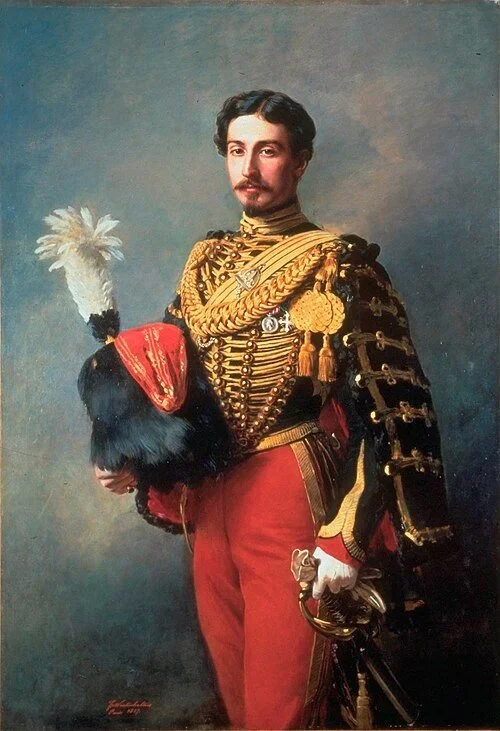
A dramatic turn of events followed Édouard’s death in 1894. Though their marriage contract specified that the banker’s vast fortune would revert to his family, Nélie produced a handwritten will naming her as his sole heir. The court case that followed caused such a sensation that Nélie left the country to escape publicity. She emerged victorious as one of the wealthiest women in France. In 1902, she interrupted a voyage through India when the Domaine de Chaalis, her childhood summer house, came on the market. Her frantic letters to her secretary reveal that she was prepared to pay 3,500,000 livres —a vast sum, nearly triple what she eventually paid—to acquire it.[23] It was at Chaalis that she was buried, after another decade of collecting and travel, in 1912 (Figure 12). She selected her self-portrait of 1880 to hang alongside Winterhalter’s dazzling portrait of her late husband in military uniform (Figures 13–14).[24] When she willed both homes to the Institut de France, with detailed instructions that their collections be preserved unchanged for the enjoyment of the public, she carefully considered in what order to put the two names: hers, Jacquemart, and her husband’s, André. She decided to lead with her own.[25] It was an artist’s signature on her last, and greatest, work.
[1] Pierre Curie, Nélie Jacquemart : artiste et collectionneuse de la Belle Époque (Paris: Flammarion, 2023), pp. 12, 22–25, 42–43.
[2] Séverine Sofio, Artistes femmes : la parenthèse enchantée, XVIIIe–XIXe siècles (Paris: CNRS Éditions, 2016).
[3] Femmes peintres et salons au temps de Proust : de Madeleine Lemaire à Berthe Morisot, exhibition catalogue (Paris: Musée Marmottan Monet and Hazan, 2010), p. 17: « L’intrusion sérieuse de la femme dans l’art serait un désastre sans remède. »
[4] Véronique Teboul-Bonnet, Collections au féminin : Du salon privé au musée (Paris: L’Harmattan, 2022), p. 24.
[5] Séverine Sofio, Artistes femmes, p. 203.
[6] L’Illustration, journal universel, no. 780, 6 February 1858, pp. 88–89, cited in Giancarla Cilmi, Une passion italienne : les Jacquemart-André collectionneurs (Paris: Mare & Martin, 2024), p. 48.
[7] Émile Renault to Théophile Gautier, 10 July 1865, quoted in Cilmi, Une passion italienne, p. 50. Writing at Mme de Vatry’s request, Renault asked Gautier for « trois lignes de ta plume d’or » in support of Jacquemart, whom he described as a « très honorable et vaillante artiste ».
[8] Geneviève Bréton, Journal, 1867–1871 (Paris: Ramsay, 1985), p. 82, cited in Curie, Nélie Jacquemart, p. 88: « Mais, dit mère vivement, elle n’est pas comme tout le monde, elle manque de tenue, elle est trop artiste ! »
[9] Théophile Gautier, 1870, quoted in Cilmi, Une passion italienne, p. 53: « Son portrait du maréchal Canrobert est très-beau et très-ressemblant. […] C’est une peinture énergique et solide, telle que peu d’hommes seraient en état de la faire. »
[10] Duvergier de Hauranne, 1873, p. 664: « Décidément les portraits d’homme inspirent mieux Mlle Jacquemart que les portraits de femme. » Quoted in Gétreau, Musée Jacquemart-André, p. 23.
[11] Giancarla Cilmi, “Florence and Paris: The Italian Acquisitions of Édouard and Nélie Jacquemart-André and Their Relationship with Stefano Bardini,” in Florence, Berlin and Beyond: Late Nineteenth-Century Art Markets and Their Social Networks (2024), p. 48.
[12] Cilmi, Une passion italienne, p. 62.
[13] Ibid.
[14] Nélie Jacquemart-André, note, 1894, Archives du Musée Jacquemart-André (AMJAP), unclassified, quoted in Cilmi, Une passion italienne, p. 64.
[15] Cilmi, Une passion italienne, p. 66.
[16] Florence Gétreau, Musée Jacquemart-André : peintures et dessins de l’école française (Paris: Maule, 2011), p. 29.
[17] Cilmi, Une passion italienne, pp. 92–103.
[18] Georges Lafenestre, “Le Musée Jacquemart-André : ses origines, ses fondateurs, son organisation,” Revue des Deux Mondes, sixième période, vol. 20, no. 4 (15 April 1914), p. 793.
[19] Nélie Jacquemart-André to Stefano Bardini, 27 August 1885, ASEB, Corrispondenza storica, quoted in Cilmi, Une passion italienne, p. 119: « Parlez-moi donc de vos découvertes, car je ne vous pardonnerais pas de laisser passer à d’autres les beaux objets que vous savez que nous recherchons. »
[20] Lafenestre, “Le Musée Jacquemart-André,” p. 790.
[21] Gétreau, Musée Jacquemart-André, pp. 370–373. They are her Portrait d’Ekaterina Vassilievna (acquired July 1872); Portrait de Joseph François Paul de Rigaud, comte de Vaudreuil (acquired July 1903); Portrait de fillette (acquired June 1900), now attributed to Louis-Roland Trinquesse; and Portrait de femme en buste (acquired April 1892), now attributed to Adèle Romany.
[22] Gétreau, Musée Jacquemart-André, pp. 153–155.
[23] Cilmi, Une passion italienne, p. 74.
[24] Stammers, “Rooms of Their Own.”
[25] Testament de Nélie Jacquemart-André, 19 May 1912, Archives du Musée Jacquemart-André (AMJAP), unclassified, cited in Cilmi, Une passion italienne, p. 80.