Picasso. Biblical Roots
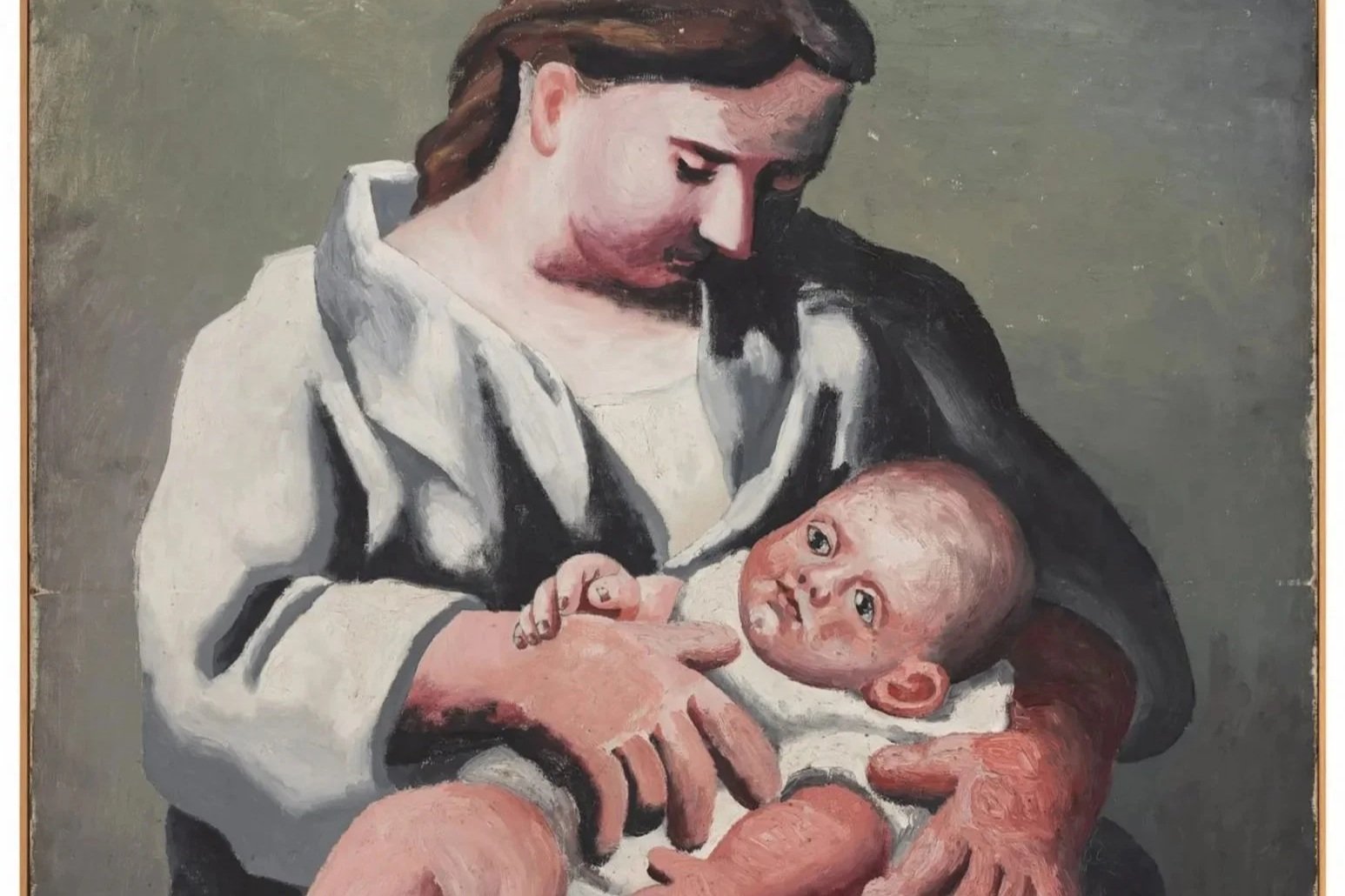
Pablo Picasso, Maternity Fontainebleu (detail), 1921, Museo Picasso, Malaga.
Picasso. Biblical Roots looks at how Christian values and iconography influenced the artist. Although the artist became an atheist after moving to Paris, he was brought up in the Christian faith and sent for training to the studio of a devotional painter. As Artnet’s Richard Whiddington comments, “Christian motifs and concerns endured. His Cubist still lives, for instance, such as Glass (1914) and Glass and Pipe (1914), introduce the wine glass suggestive of the Last Supper. Elsewhere, post-war works, including as Vanity (1946) and Still Life with Skull and Three Urchins (1947), deploy the skull to play with the 17th-century tradition of vanitas paintings in which artists reminded the viewer of their own mortality and the supremacy of god. The exhibition brings together 44 works and was organised by the archdiocesis of Burgos, the Cabildo Metropolitano, the Fundación Almine y Bernard Ruiz-Picasso para el Arte (FABA) and the Fundación Consulado del Mar de Burgos.