Wax upon a Time. The Medici and the arts of ceroplastics
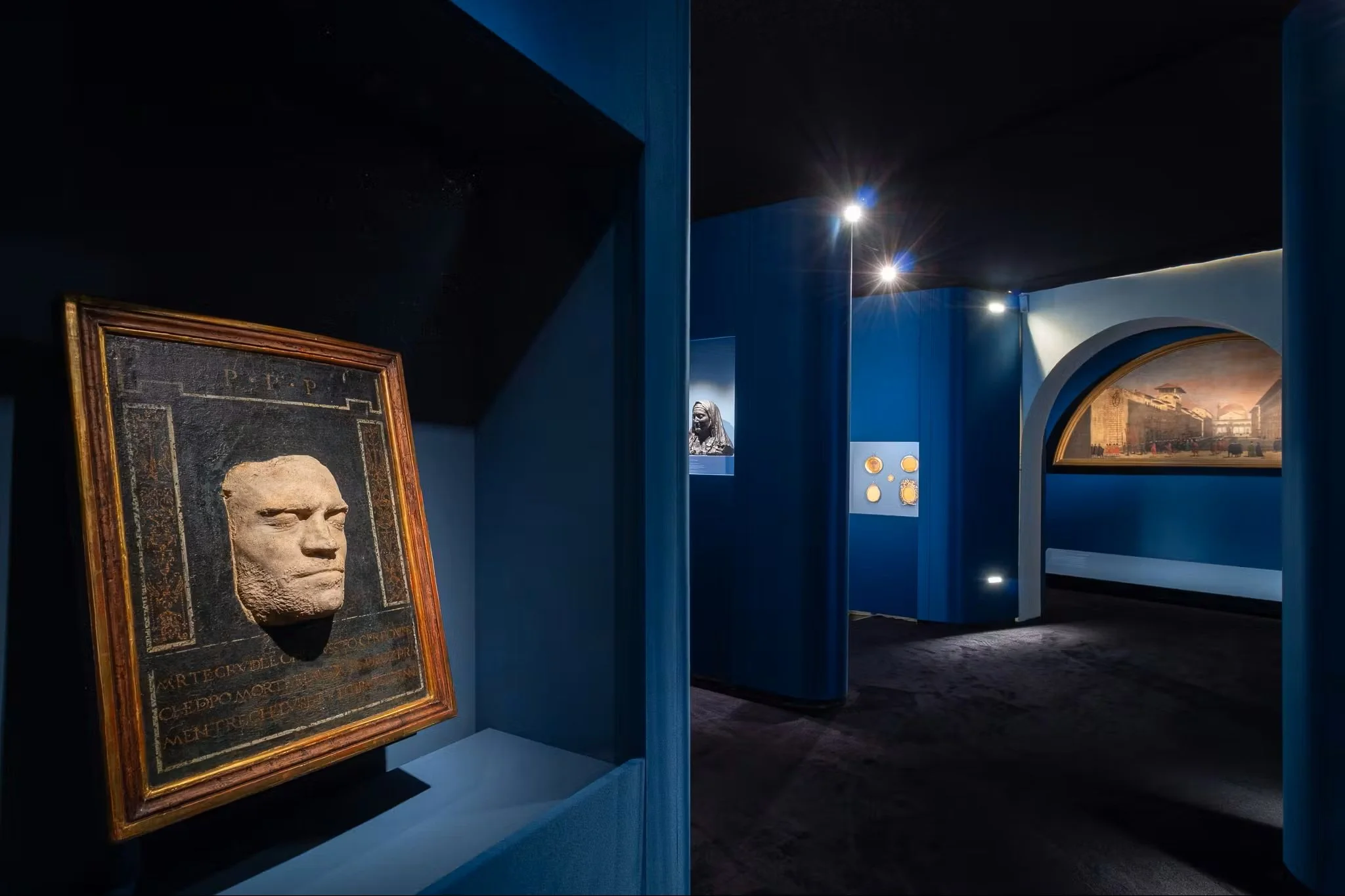
Orsini Benintendi (attributed) and Giovanni Antonio Sogliani (attributed), Funeral mask of Lorenzo de’Medici, on deposit at the Uffizi Galleries
The story of the masterpieces of ancient wax sculpture is the guiding thread of the new Uffizi exhibition, ‘Cera una volta. I Medici e le arti della ceroplastica’. The exhibition is being hosted from 18 December 2025 to 12 April 2026 in the new spaces built in recent months and now specially set up on the Gallery’s ground floor.
Curated by Valentina Conticelli, Andrea Daninos and Simone Verde, this is the very first exhibition dedicated to the Florentine collections of wax sculpture from the 16th and 17th centuries. As the title says, it aims to shed light on an incredible lost creative field: that of the production of wax images, always living since ancient times in the popular sensibility and destined to experience a particular renewal of interest among the ranks of fine arts in Medici Florence from the 15th to the late 17th centuries.
Soft and neutral, if fashioned by the skilled hands of Renaissance sculptors, it could bring substance to faces and bodies in the form of everlasting images. With the Baroque culture, obsessed as it was with the passage of time, this organic material born from bees, which due to its malleable nature imitates the characteristics of the skin like no other, comes into its own in giving shape to the living body and its dissolution. Production of it was widespread but largely lost. Not only due to the substantial perishability of the material, but above all for the resistance of critics in welcoming its creations among the so-called ‘major arts’: a cultural phenomenon which greatly favoured their loss.
The aim of ‘Cera una volta’ is therefore to make wax sculpture better known – still today confined to a sort of unconscious realm of art history – at the moment of its greatest splendour, when, having reached very high forms of virtuosity, it was avidly sought for noble collections; and to highlight how, even in this field, the Medici were avant-garde collectors, capable of fully understanding the value of these types of object and protecting and hiring their creators. All of which continued until, in 1783, with an auction sale ordered by the Grand Duke of Tuscany Pietro Leopoldo di Lorena, almost all of these works were scattered to the winds.