Monet on the Normandy Coast: The Discovery of Étretat
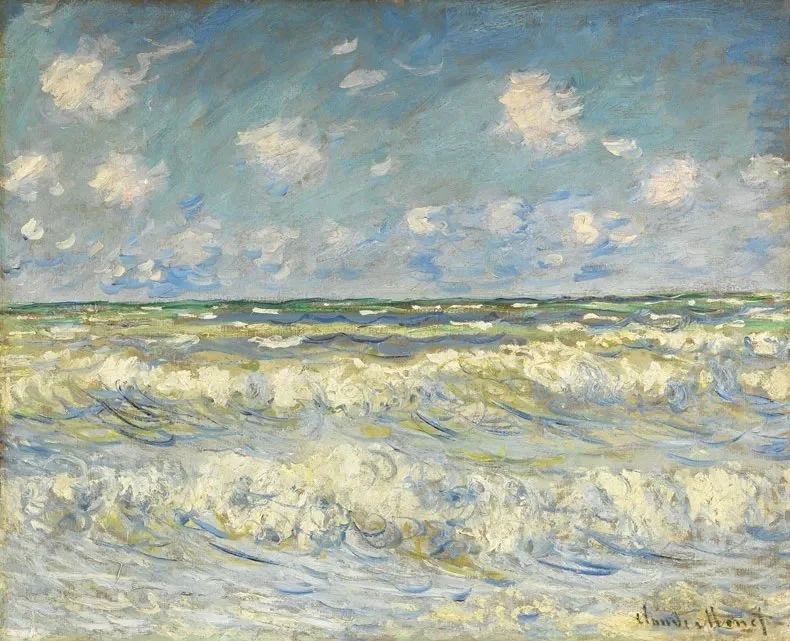
Claude Monet, Rough Sea, 1881, National Gallery of Canada, Ottawa. Photo: © MBAC
The coastal town of Étretat has become a myth—and continues to fascinate to this day. Its cliffs, located in Normandy on the Atlantic coast, captivated numerous artists in the 19th century. Claude Monet was so fascinated by their unique shapes and the three natural rock arches that he painted them several times. This major exhibition is dedicated to the artistic discovery of the former fishing village of Étretat and its influence on modern painting.
Around 170 exceptional paintings, drawings, photographs, and historical documents on loan from leading French, German and other international museums as well as several private collections will be on display in the exhibition. Among them are no fewer than twenty-four works by Claude Monet. In addition to works by Eugène Delacroix, Gustave Courbet, and Henri Matisse, the exhibition brings together a host of other important figures in modern and contemporary art, including Johann Wilhelm Schirmer and Eugène Le Poittevin, as well as Camille Corot, Eugène Boudin and Elger Esser.